BCCI


BURSA CHAMBER OF COMMERCE AND INDUSTRY
A Convergence of Culture, Movement and Contemporary Architecture
Urban centers with high functional complexity act as spatial devices that reveal the cultural intensity of both the city and the country. In this context, architecture is expected to express clarity, refinement, and efficiency through its spatial and structural decisions.
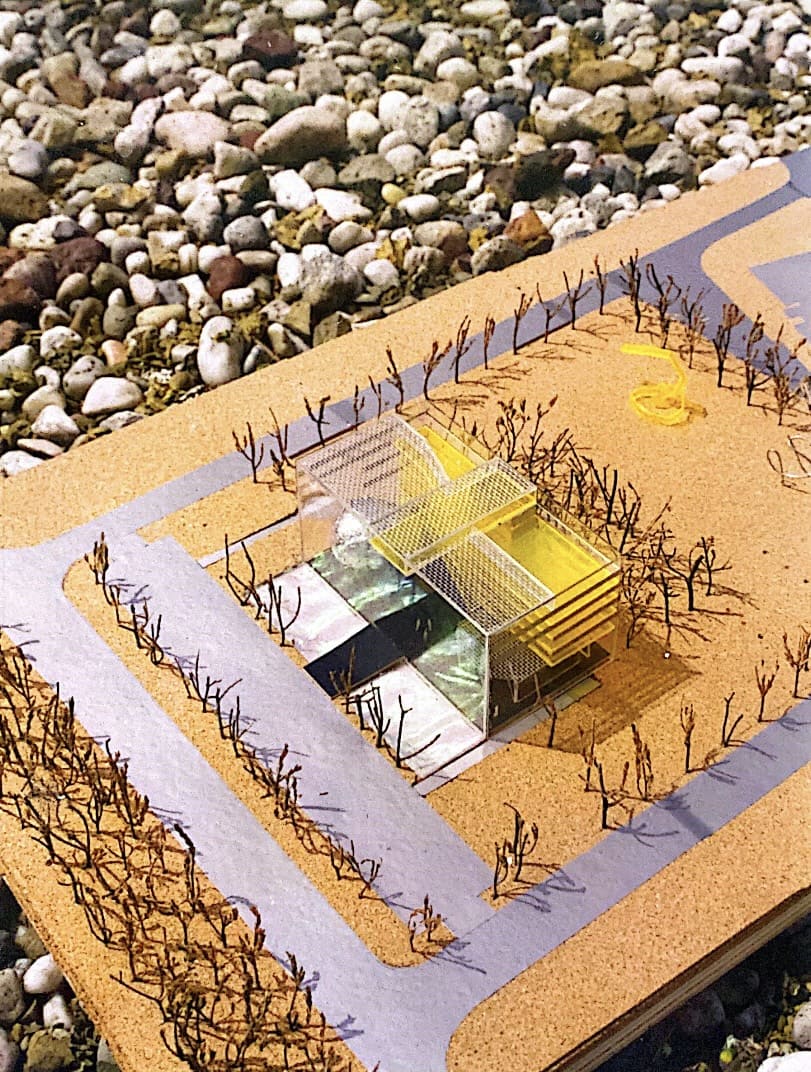
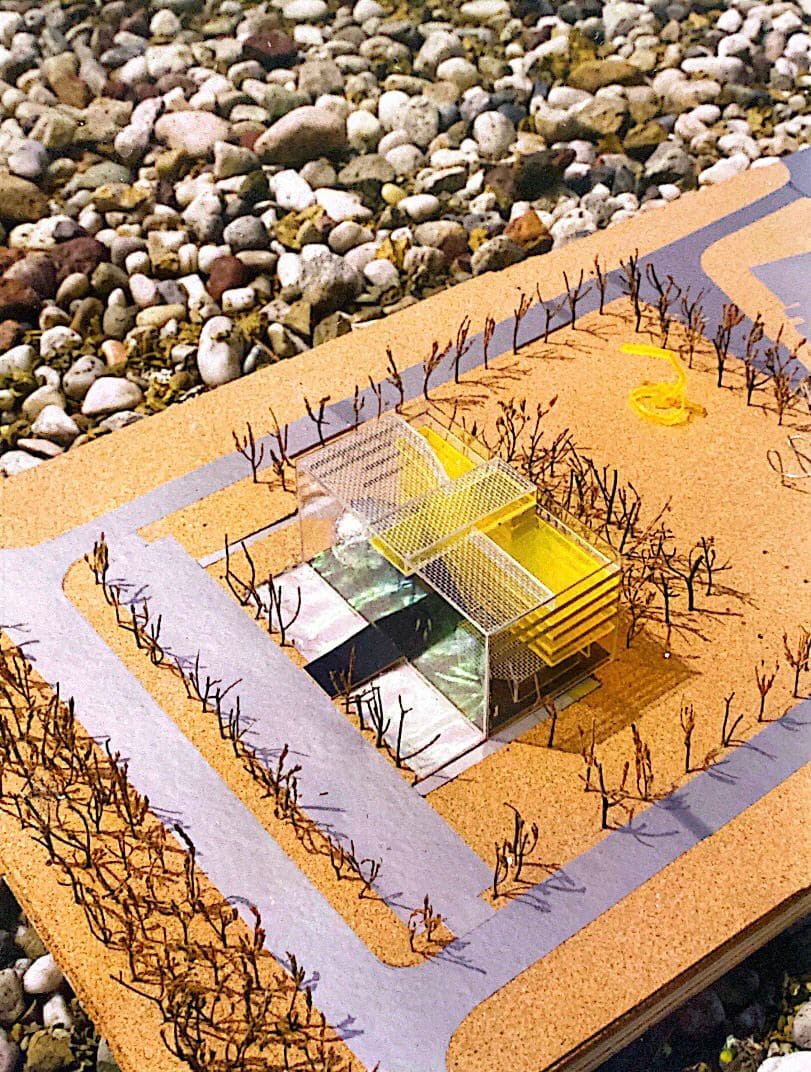
The site, confirmed through aerial photographic survey, offers a perfectly adequate surface and scale. The Congress Center is conceived as an extension of previously planned and partially constructed buildings, forming a new urban focus together with the surrounding hotel and catering facilities. This ensemble establishes a place where pedestrian movement naturally converges and concludes.
The project is based on the idea of autonomy. Each building is conceived as an independent unit, allowing construction to occur in different phases over time without compromising the overall integrity of the project.
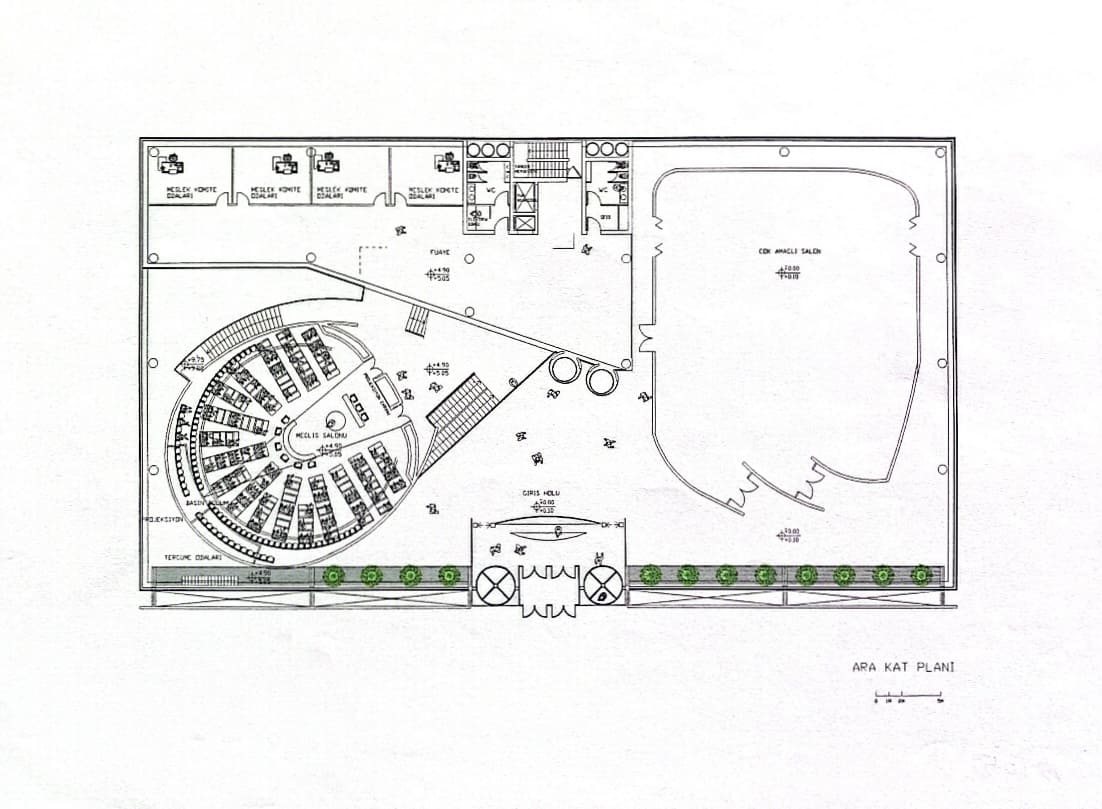
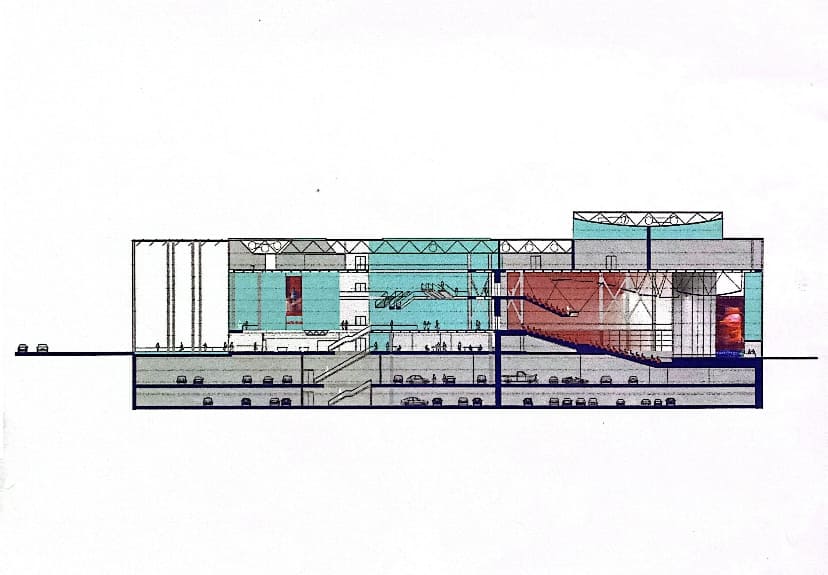
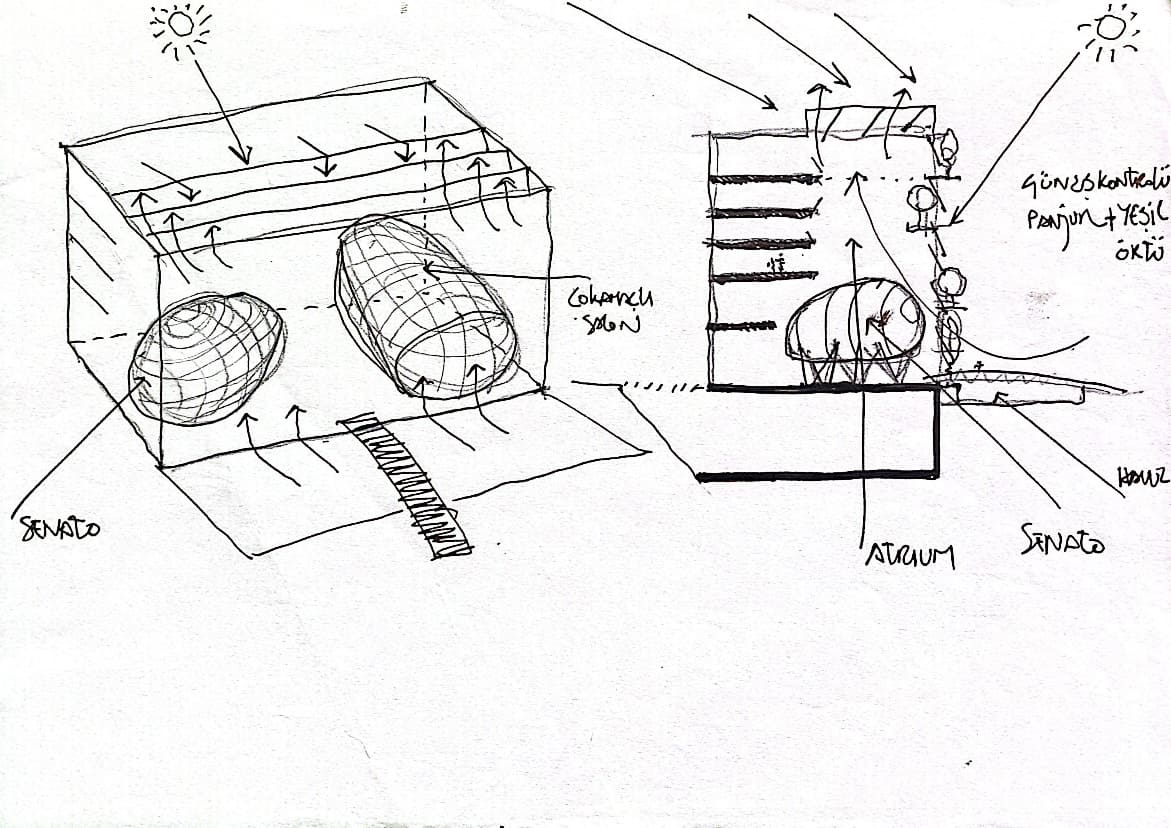
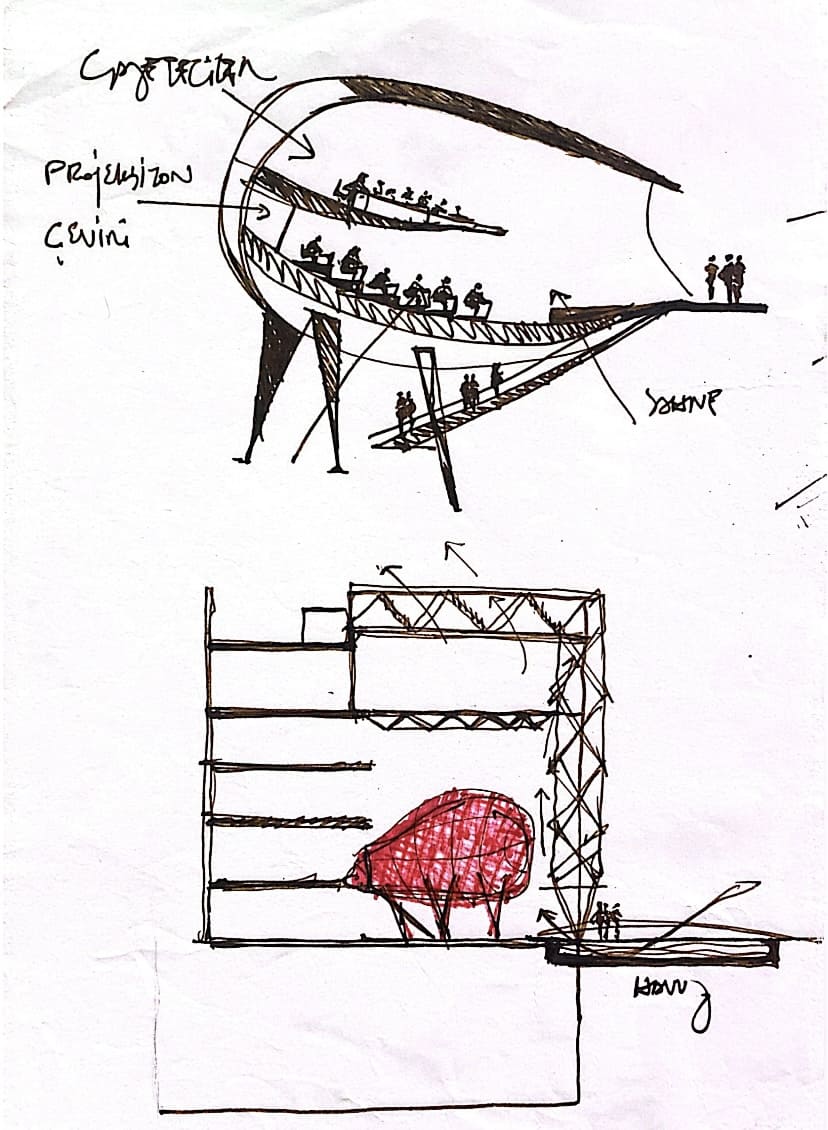
Given the extensive program, the auditorium for 800 people is strategically positioned as a component that can be added at a later stage. This approach enables simultaneous activities, clear functional legibility, and increased flexibility. By creating independent zones, the structural system becomes lighter in terms of static loads while simplifying mechanical system control.
The Congress Center operates as a converging point for pedestrian flows. Under exceptional circumstances, the space can be temporarily adapted to provide V.I.P. access to the catering and congress facilities, reinforcing its adaptability without disrupting the primary pedestrian-oriented character of the site.
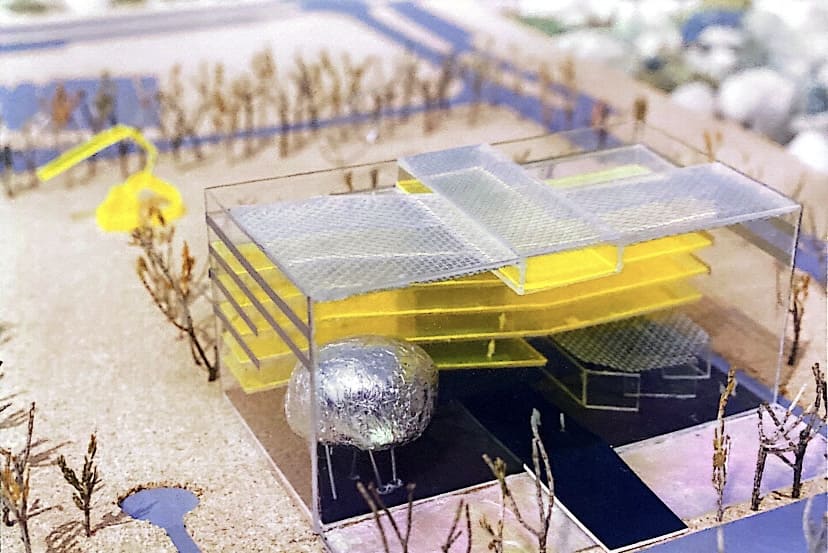
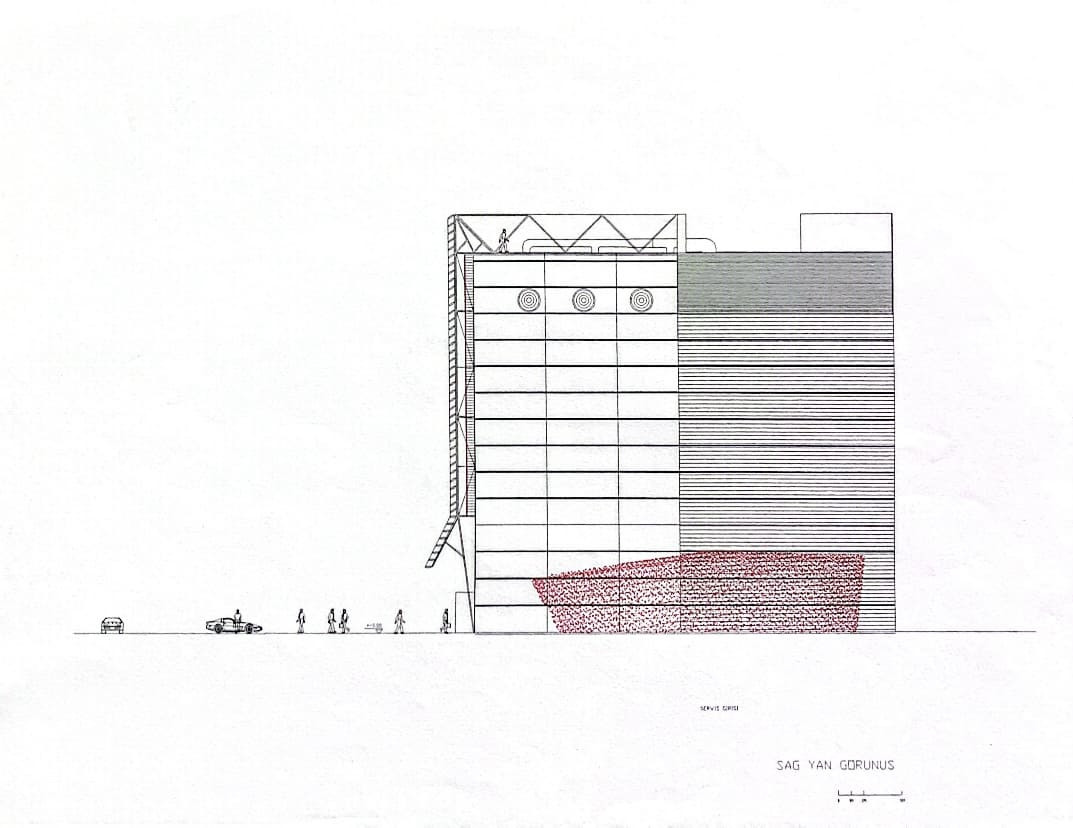
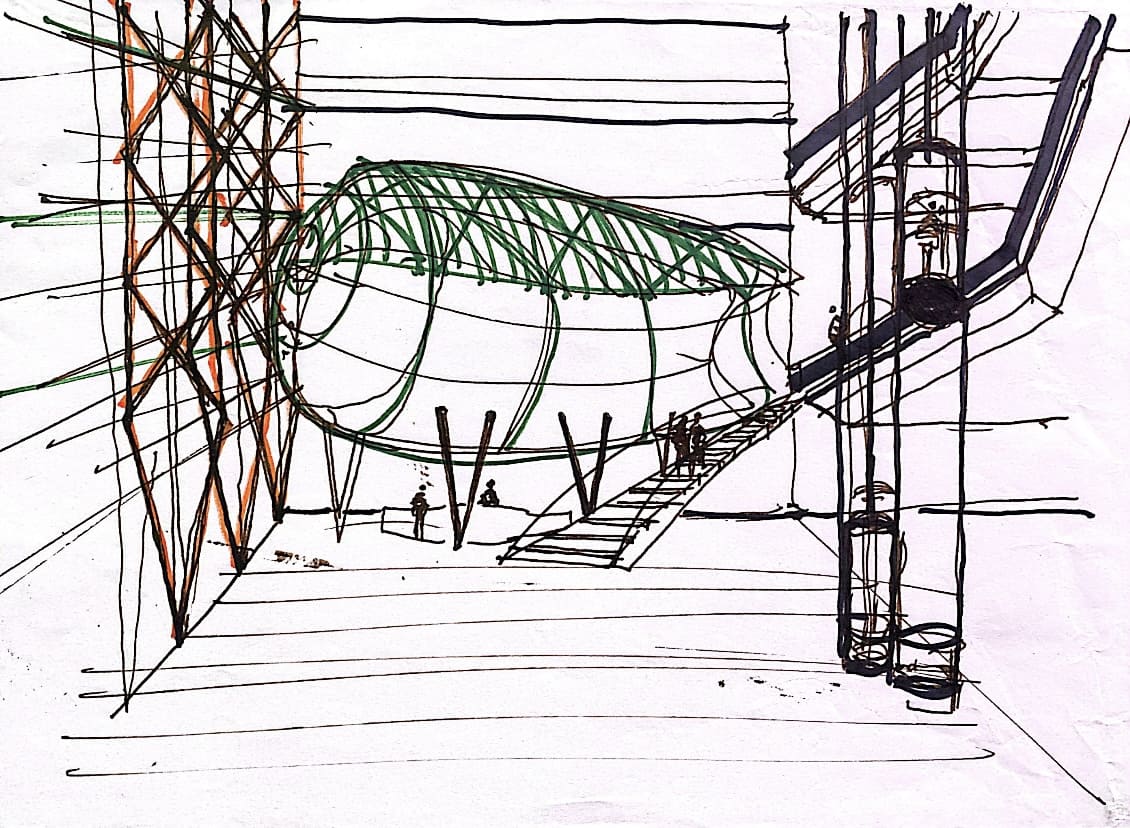
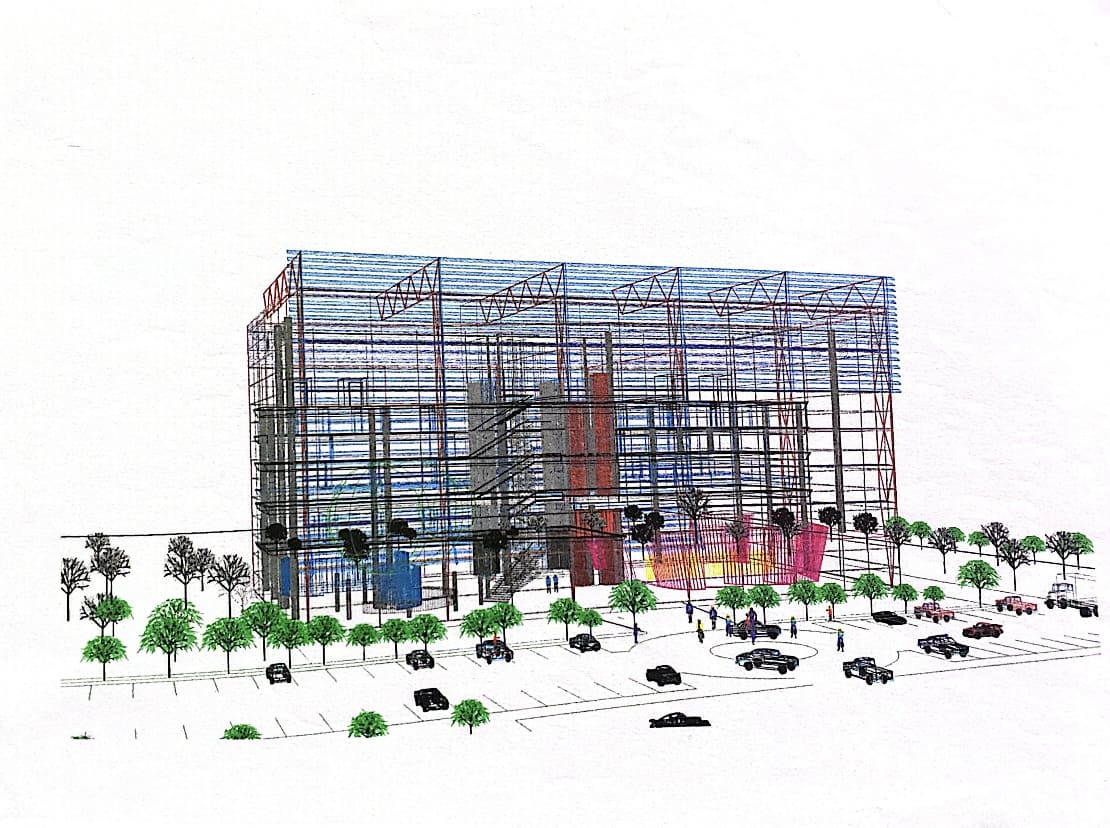
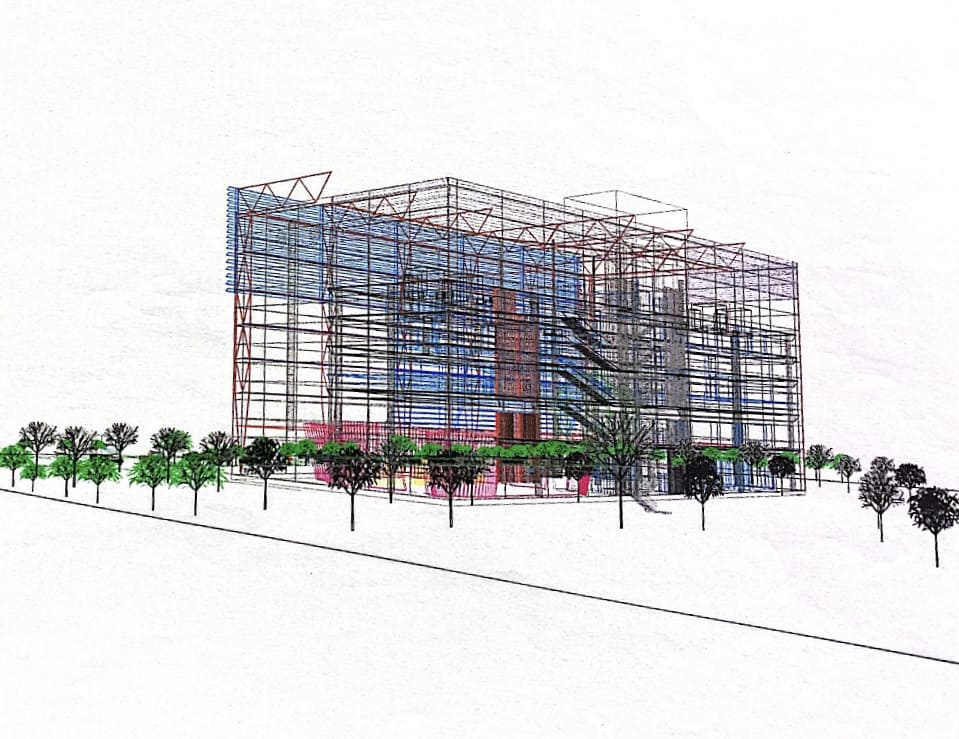
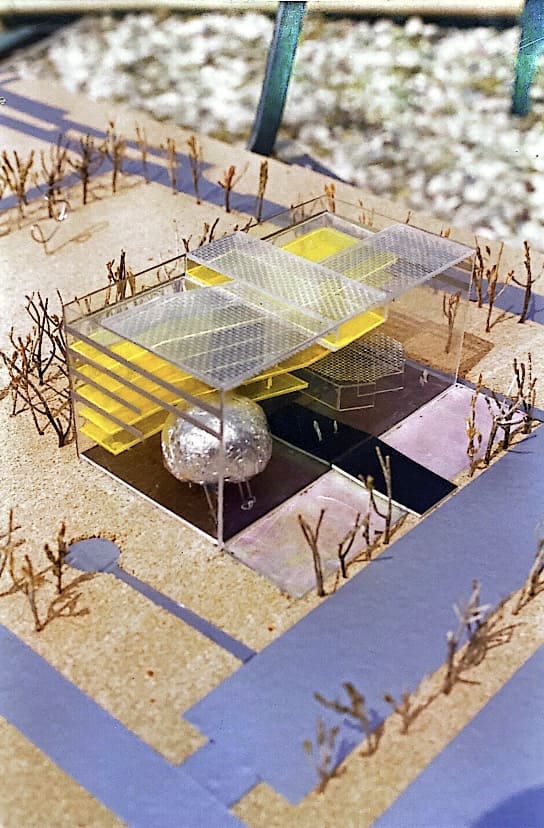
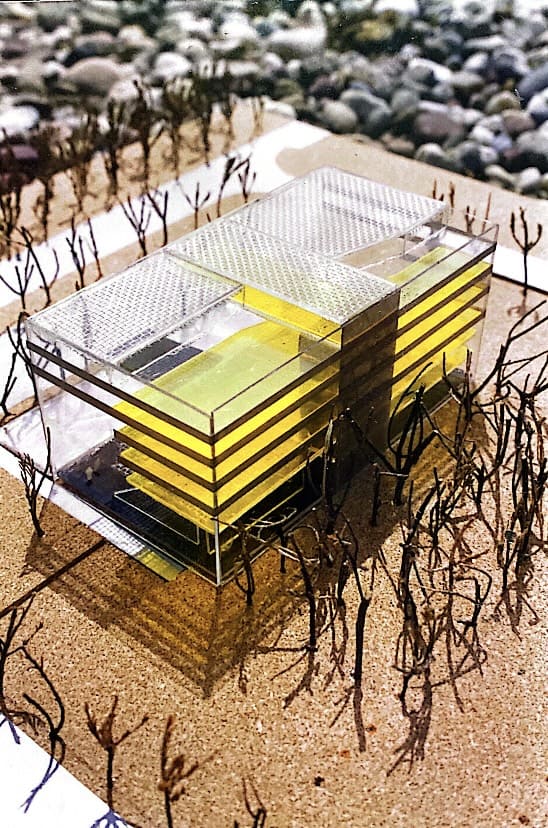
The Cultural Congress Center is envisioned as a building that reflects luminosity, lightness, clarity, and precision. Conceived as a platform for science, art, and information, the building responds to Bursa’s context of advanced industrial production while embracing contemporary architectural values.
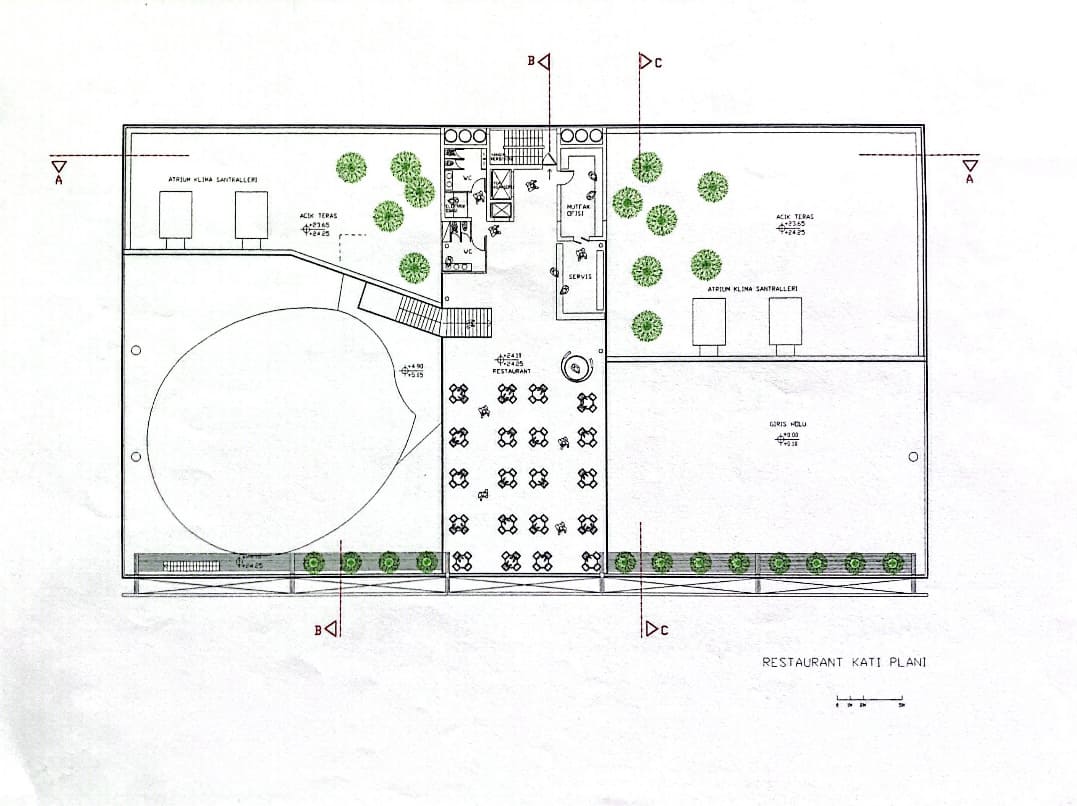
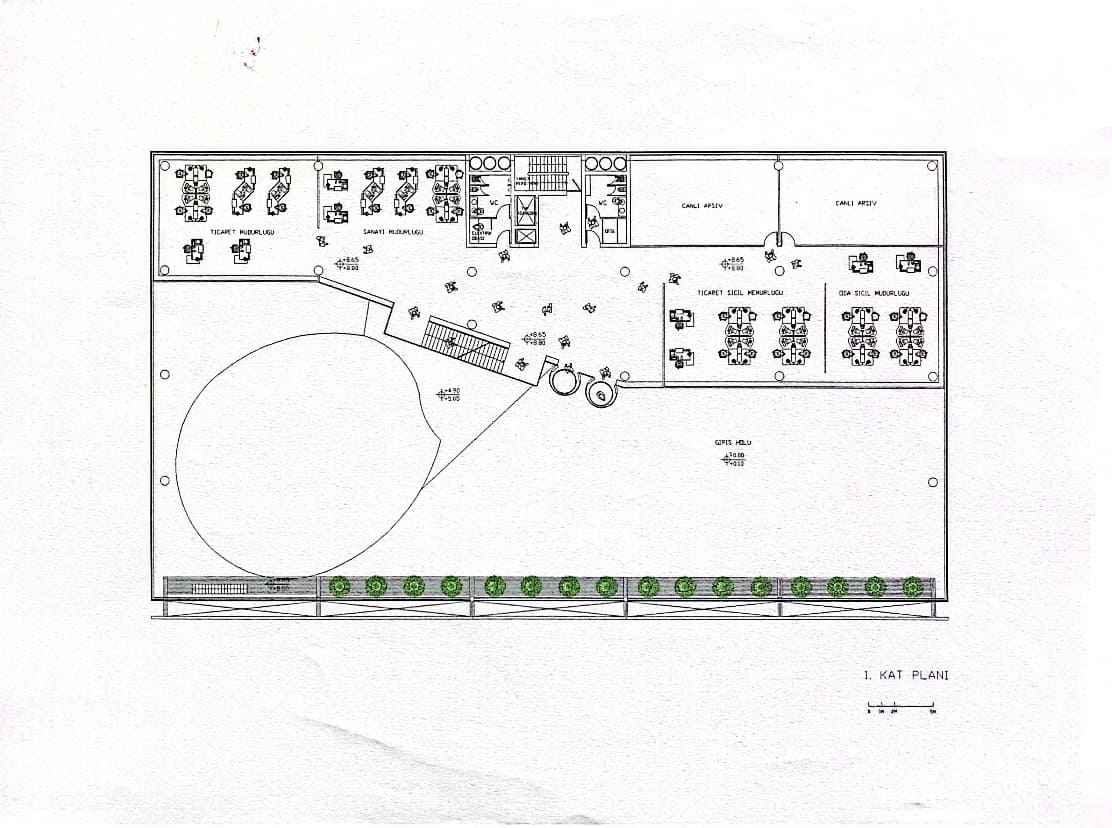
The main building is organized on a 50 x 100 meter plan, consisting of post-tensioned concrete slabs supported by steel columns over poured concrete basement floors. The roof is suspended from a lightweight steel structure.
This post-tension system allows for contemporary detailing while preserving the building’s structural integrity, offering long-term freedom and flexibility to accommodate future needs without losing architectural coherence.

GAD Foundation works to positively affect practice and theory in architecture and urbanism with a focus on education, society and their intersection with architecture and urbanism.
EXPLORE


